
Massage therapy is no longer just a luxury—it’s become an essential part of modern wellness routines. Whether you’re looking to unwind after a long week or address chronic pain, understanding the type of massage you need can make all the difference. Two of the most commonly requested options are relaxation massage and therapeutic massage. While they may seem similar on the surface, they serve very different purposes.
Let’s break down the key differences so you can choose what truly suits your body and mind.
What Is a Relaxation Massage?
A relaxation massage, often referred to as a Swedish massage, focuses on calming the nervous system and promoting overall well-being. It is designed to help you de-stress, unwind, and feel refreshed.
Key Features of Relaxation Massage
- Gentle to moderate pressure
- Long, smooth, flowing strokes
- Focus on improving circulation
- Creates a soothing, calming experience
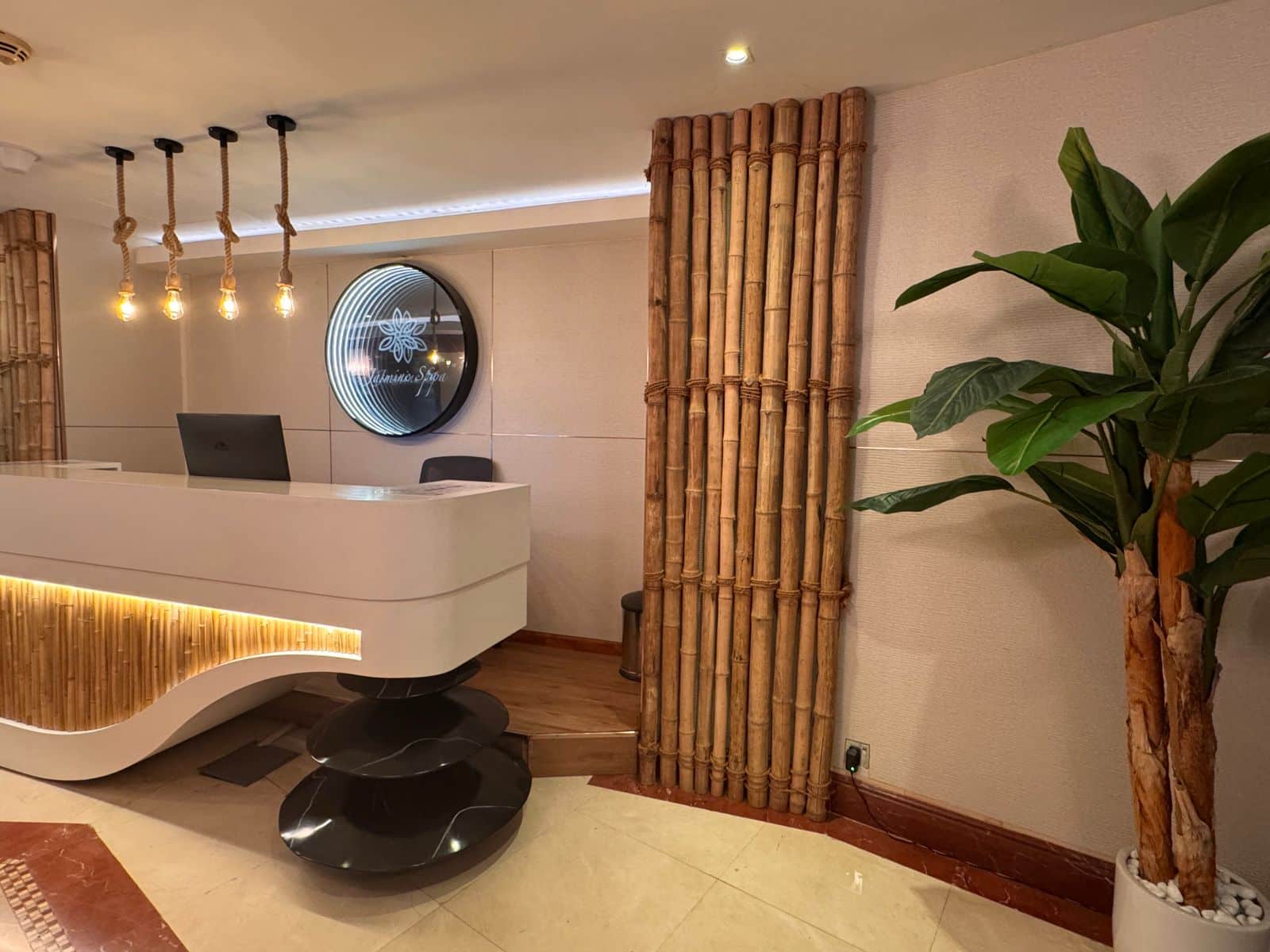
The goal here isn’t to fix deep muscle issues but to help you relax mentally and physically. This type of massage often includes a peaceful environment—dim lighting, soft music, and aromatic oils—to enhance the experience.
Benefits of Relaxation Massage
- Reduces stress and anxiety
- Improves blood circulation
- Promotes better sleep
- Enhances mood and mental clarity
If your primary goal is to escape daily stress and recharge, this is the ideal choice.
What Is a Therapeutic Massage?
A therapeutic massage is more targeted and results-driven. It focuses on addressing specific physical issues such as muscle tension, injuries, or chronic pain.
Key Features of Therapeutic Massage
- Firm to deep pressure
- Techniques tailored to problem areas
- May include methods like deep tissue, trigger point therapy, or myofascial release
- Focus on healing and recovery
Unlike relaxation massage, therapeutic massage may sometimes feel intense, especially if the therapist is working through tight knots or inflamed areas.
Benefits of Therapeutic Massage
- Relieves chronic pain
- Improves mobility and flexibility
- Helps in injury recovery
- Reduces muscle stiffness and tension
This type of massage is often recommended for athletes, people with physically demanding jobs, or anyone dealing with persistent discomfort.
Key Differences Between Relaxation and Therapeutic Massage
Understanding the distinction between these two can help you make a more informed decision.
- Purpose
- Relaxation Massage: Focuses on stress relief and overall wellness
- Therapeutic Massage: Targets specific physical issues and pain relief
- Pressure Level
- Relaxation Massage: Light to medium pressure
- Therapeutic Massage: Medium to deep pressure
- Technique
- Relaxation Massage: Uses smooth, flowing strokes
- Therapeutic Massage: Uses targeted techniques to treat muscle problems
- Experience
- Relaxation Massage: Calm, soothing, and gentle
- Therapeutic Massage: Can be intense but effective
- Outcome
- Relaxation Massage: Leaves you feeling refreshed and stress-free
- Therapeutic Massage: Leaves you feeling relieved from pain and tension
Which One Should You Choose?
The right massage depends entirely on your needs and expectations.
Choose Relaxation Massage If:
- You’re feeling stressed or overwhelmed
- You want a calming, spa-like experience
- You’re new to massage therapy
- You prefer gentle touch over deep pressure
Choose Therapeutic Massage If:
- You have chronic pain or stiffness
- You’re recovering from an injury
- You experience muscle tightness from workouts or work posture
- You need targeted relief rather than general relaxation
In some cases, people even combine both approaches—starting with relaxation techniques and incorporating therapeutic work where needed.
Can a Massage Be Both Relaxing and Therapeutic?
Absolutely. Skilled massage therapists often blend techniques based on your preferences and physical condition. For example, a session might begin with gentle strokes to relax your body and gradually move into deeper work on specific problem areas.
Communication is key. Always let your therapist know:
- Your pain points
- Your pressure preference
- Any injuries or medical conditions
This ensures a safe and effective experience tailored just for you.
Tips for Getting the Most Out of Your Massage
No matter which type you choose, a few simple steps can enhance your experience:
- Stay hydrated before and after your session
- Arrive early to relax and settle in
- Communicate openly with your therapist
- Avoid heavy meals right before your appointment
- Give your body time to rest afterward
These small habits can significantly improve both the immediate and long-term benefits of massage therapy.
Final Thoughts
Relaxation massage and therapeutic massage may share a common foundation, but their goals and techniques set them apart. One focuses on calming your mind and easing stress, while the other works deeper to address physical discomfort and restore function.
Choosing between the two isn’t about which is better—it’s about what your body needs at a given moment. Listen to your body, understand your goals, and don’t hesitate to seek professional guidance.
When done right, massage therapy isn’t just a treat—it’s an investment in your overall health and well-being.
FAQs – Relaxation Massage and Therapeutic Massage
Which massage is better for stress relief?
A relaxation massage is generally better for stress relief. Its gentle techniques and calming environment are specifically designed to relax your mind and body, helping reduce anxiety and improve mood.
Is therapeutic massage painful?
Therapeutic massage can sometimes feel intense, especially when working on tight muscles or knots. However, it should not be unbearably painful. A good therapist will adjust the pressure based on your comfort level.
Can I get a massage that combines both techniques?
Yes, many massage therapists offer customized sessions that combine relaxation and therapeutic techniques. You can request a blended approach depending on your needs.
Who should avoid therapeutic massage?
People with certain medical conditions such as severe injuries, infections, or recent surgeries should consult a healthcare professional before getting a therapeutic massage. Always inform your therapist about your health history.